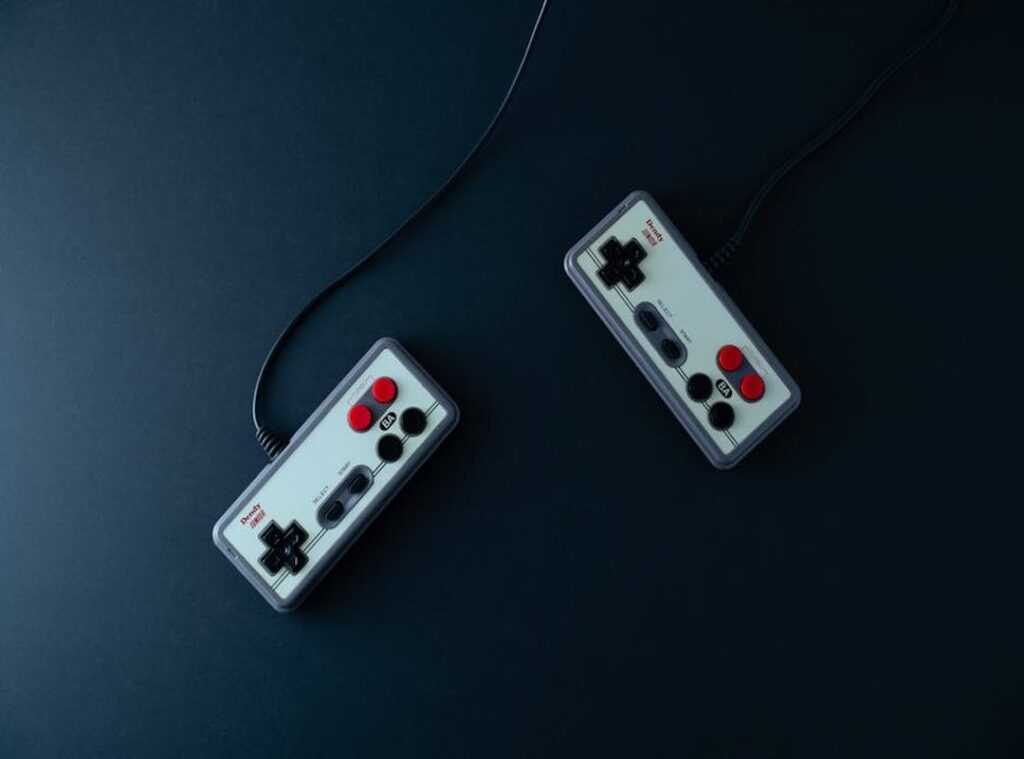

You’ve stared at the Ooverzala board for ten minutes. Staring. Waiting for it to make sense.
It doesn’t. Not yet.
I know that blank-stare feeling. I’ve been there (hundreds) of hours deep, losing games, then winning, then losing again. Until something finally clicked.
This isn’t about memorizing rules.
It’s about shifting how you see the game.
How to Play Game Ooverzala starts here. With mindset, not moves.
I’m not handing you a list of steps.
I’m showing you why those steps matter. And how to feel good while doing them.
You’ll finish this with one clear plan. Not just to play. But to actually enjoy it.
Master the ‘Why’ (Not) Just the ‘How’
Ooverzala isn’t a matching game. It’s a resource management puzzle disguised as one.
I made this mistake for three days straight. Swapped tiles, cleared clusters, felt good (then) lost every time. Frustrating.
Because I was playing the surface, not the system.
The real objective? Control the Zala energy flow across the board. Not clear pieces.
Not chase combos. Direct where that energy moves. And how much of it stays yours.
Think of it like mana in Magic: The Gathering. You don’t just cast spells because they’re there. You hold back.
You trade tempo for control. You set up turns two and three before you even play turn one.
Same here.
So here’s what I do now. Every single turn:
Where is the Zala flow weakest? Which move strengthens my control? How does this move set up my next two turns?
That’s it. No fluff. No guessing.
Just those three questions.
You’ll start seeing patterns faster than you think. Like noticing how a single tile shift can lock down an entire quadrant. Or how letting one cluster sit for a beat opens a cascade later.
This is why people get hooked on Ooverzala. Not because it’s flashy. Because it clicks.
And when it clicks, it feels earned.
If you’re still treating it like Candy Crush. Stop. Go read the Ooverzala intro page.
It explains the loop clearly. Skip the tutorial videos. Read that page instead.
How to Play Game Ooverzala? Start there. Then ask those three questions (out) loud if you have to.
You’ll lose less. Think deeper. And actually enjoy the wait between moves.
That’s the satisfaction. Not the match. The control.
It’s not about speed. It’s about rhythm. And rhythm takes practice (not) patience.
The 3 Traps That Kill Your Ooverzala Joy
I’ve lost more games than I care to admit. Most weren’t because my opponent was smarter. They were because I walked right into the same traps.
Every time.
The Shiny Piece Syndrome is real. You see that glowing Chrono-Knight on the edge of the board and have to grab it. But it’s sitting in a dead zone.
No support, no escape route, zero combo with your current setup. Piece value means nothing if it can’t act. Ask yourself: Where does this actually help me next turn? Not where it looks cool.
Reactive play is worse. You spend the whole match chasing your opponent’s last move. One turn they push left.
You block. Next turn they shift up (you) scramble. You’re not playing Ooverzala.
You’re playing whack-a-mole. Here’s my fix: always hold a two-turn goal in your head. Even if it’s just “move Echo Shard to Sector 7, then activate.”
That’s enough to stop the panic.
And then there’s forgetting the Convergence. Ooverzala doesn’t end when the board fills up. It ends when the Convergence triggers.
And if you haven’t prepped, you’ll watch your win dissolve in 12 seconds flat. Start hoarding Echo Shards once half the board is cleared. No exceptions.
I learned this the hard way. Three games straight. Until I checked the Ooverzala Mods and saw how newer versions punish late-game unpreparedness even harder.
How to Play Game Ooverzala isn’t about memorizing rules. It’s about spotting these traps before they spot you. You already know which one you fall for most.
Admit it. Then skip it next time.
Fun Starts Now: Three Moves That Actually Work

I tried all the fancy stuff first. Wasted three months. Then I learned these three things.
The Opening Gambit is not theory. It’s five moves. Place your first Zala in the center.
Second on the left diagonal. Third on the right diagonal. Fourth and fifth lock the corners.
Done. You control space before your opponent even blinks. Try it next game.
Tell me you don’t feel better after move three.
You know that weird gap everyone avoids? The one near the river tile? That’s the Zala Funnel.
Leave it open on purpose. Let your opponent rush in. Then slide your fourth piece to cut off their flow.
Their Zala just… stops moving. You get that little jolt. Like watching a trap snap shut.
(It feels better than it should.)
Passing a turn is not giving up. It’s weaponized silence.
If your opponent has only one legal move. And it’s bad (pass.) Force them to break their own formation. I’ve seen players fold after one pass.
Their face says it all. This works best when the board is tight and every tile matters. Not always.
But when it lands? Brutal.
Pro Tip: Focus on mastering just one of these strategies first. The Opening Gambit is the easiest to learn and will instantly make your games more competitive and fun.
You don’t need to memorize every variation. You need one thing that works today.
How to Play Game Ooverzala isn’t about reading manuals. It’s about doing something real on move one.
Most people overthink the early game. They wait for “the right moment.” There is no right moment. There’s only your next move (and) whether it puts pressure on them.
Try the Opening Gambit this afternoon. Use the Zala Funnel tomorrow. Pass once on Friday.
See what changes.
You’ll notice the difference before the first round ends.
Want deeper structure? Check out the Ooverzala Version of.
You Already Know How to Win
I used to rage-quit Ooverzala every other match. Felt like guessing. Felt like luck.
Felt like the game hated me.
It’s not you.
It’s the habit of reacting instead of planning.
That frustration? That “why am I even doing this?” moment? Yeah.
That’s the pain point. And it ends when you stop chasing moves and start asking why each one matters.
The three traps (rushing) the midgame, ignoring board control, skipping setup (are) where fun goes to die. Avoid them once. Just once.
And suddenly the game breathes.
How to Play Game Ooverzala isn’t about memorizing combos.
It’s about choosing one thing to own before the first turn.
So here’s your move:
In your very next game, ignore everything else. Focus only on The Opening Gambit. See how much calmer the match feels when you start with a plan (not) panic.
You’ll notice it right away. The tension drops. Your fingers stop hovering.
You stop checking the clock.
This isn’t theory.
It’s what happens when you stop playing at Ooverzala. And start playing in it.
Now go play.
And this time. Start with intent.
 There is a specific skill involved in explaining something clearly — one that is completely separate from actually knowing the subject. Eric Traversaloniv has both. They has spent years working with civiliden gaming mechanics explained in a hands-on capacity, and an equal amount of time figuring out how to translate that experience into writing that people with different backgrounds can actually absorb and use.
Eric tends to approach complex subjects — Civiliden Gaming Mechanics Explained, Digital Strategy Rundowns, Emerging Game Buzz being good examples — by starting with what the reader already knows, then building outward from there rather than dropping them in the deep end. It sounds like a small thing. In practice it makes a significant difference in whether someone finishes the article or abandons it halfway through. They is also good at knowing when to stop — a surprisingly underrated skill. Some writers bury useful information under so many caveats and qualifications that the point disappears. Eric knows where the point is and gets there without too many detours.
The practical effect of all this is that people who read Eric's work tend to come away actually capable of doing something with it. Not just vaguely informed — actually capable. For a writer working in civiliden gaming mechanics explained, that is probably the best possible outcome, and it's the standard Eric holds they's own work to.
There is a specific skill involved in explaining something clearly — one that is completely separate from actually knowing the subject. Eric Traversaloniv has both. They has spent years working with civiliden gaming mechanics explained in a hands-on capacity, and an equal amount of time figuring out how to translate that experience into writing that people with different backgrounds can actually absorb and use.
Eric tends to approach complex subjects — Civiliden Gaming Mechanics Explained, Digital Strategy Rundowns, Emerging Game Buzz being good examples — by starting with what the reader already knows, then building outward from there rather than dropping them in the deep end. It sounds like a small thing. In practice it makes a significant difference in whether someone finishes the article or abandons it halfway through. They is also good at knowing when to stop — a surprisingly underrated skill. Some writers bury useful information under so many caveats and qualifications that the point disappears. Eric knows where the point is and gets there without too many detours.
The practical effect of all this is that people who read Eric's work tend to come away actually capable of doing something with it. Not just vaguely informed — actually capable. For a writer working in civiliden gaming mechanics explained, that is probably the best possible outcome, and it's the standard Eric holds they's own work to.