
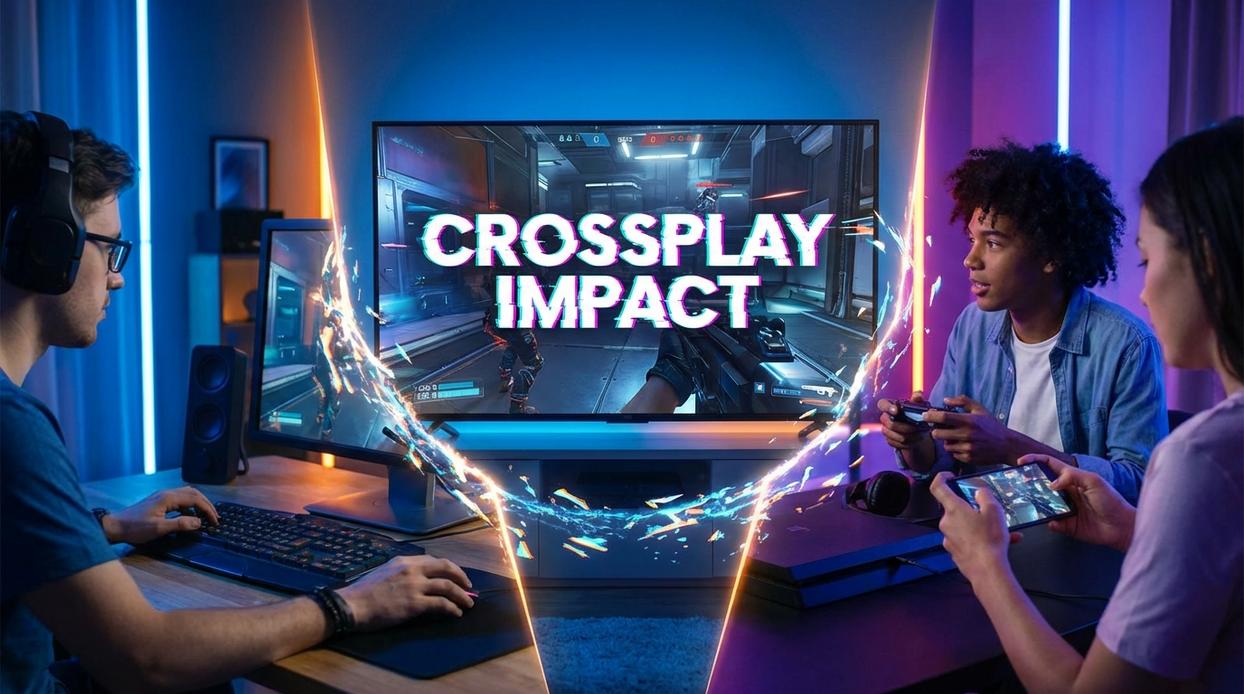
If you’re searching for a clear breakdown of how cross-platform play impact is reshaping modern gaming, you’re in the right place. Players want to know how shared ecosystems affect matchmaking quality, competitive balance, progression systems, and the long-term health of their favorite titles. This article dives straight into those questions—cutting through speculation to explain what’s actually changing and why it matters for casual and competitive communities alike.
We’ve analyzed current multiplayer trends, developer implementation strategies, and performance data across leading platforms to provide a grounded, experience-backed perspective. By examining real-world case studies and technical updates from major releases, we connect the dots between cross-platform functionality and player engagement, retention, and skill ceilings.
Whether you’re optimizing your setup, choosing where to play, or evaluating the future of multiplayer ecosystems, this guide will give you practical insights into what cross-platform integration truly means for your gameplay experience.
Last year, I queued into a shooter and watched a PlayStation icon sit beside an Xbox badge in my squad. Once unthinkable, right? For decades, hardware created walled gardens—closed ecosystems that restrict interaction between users on different systems. As a result, friends were split, and communities shrank faster than a battle royale map.
Now, things feel different. The cross-platform play impact is impossible to ignore. Consider:
- Larger matchmaking pools.
- Longer game lifespans.
- Healthier, more diverse communities.
Granted, purists argue rivalry fueled innovation. However, from experience, connection beats console tribalism every time. And the momentum keeps building globally.
The Great Unifier: Larger Player Pools and Stronger Social Bonds
1. Eradicating “Dead Games”
First, let’s define a dead game: a title with such a small active player base that matchmaking (the system that pairs players in online matches) becomes painfully slow or outright impossible. We’ve all stared at a spinning queue timer longer than we’d like to admit.
By merging player pools across consoles and PC, developers dramatically reduce wait times and extend a game’s lifespan—especially for niche fighters, co-op indies, or older shooters. Instead of fragmented communities split by hardware, everyone shares the same ecosystem. As a result, even a five-year-old title can feel alive again.
Some critics argue this only delays the inevitable decline. Fair point. However, data from titles like No Man’s Sky shows cross-platform updates can trigger major player resurgences (Hello Games, 2020 update reports). The difference isn’t temporary hype—it’s sustained accessibility.
2. Playing with Friends—Unconditionally
More importantly, the primary driver of adoption is simple: friendship. Cross-play removes hardware barriers so your squad can stay intact whether they’re on Xbox, PlayStation, or PC. Fortnite and Call of Duty: Warzone proved this at scale, normalizing unified lobbies across devices.
Opponents claim platform ecosystems should remain exclusive to preserve brand identity. Yet players consistently choose connection over loyalty. (No one wants to buy a second console just to join Friday night raids—this isn’t the console wars of 2006.)
3. Fostering Diverse Communities
Finally, larger pools mean cultural crossover. PC precision, console couch-coop veterans, handheld grinders—all interacting. This cross-platform play impact subtly reduces tribalism and creates richer gameplay dynamics.
The real competitive edge? It’s not just scale. It’s social durability.
New Battlegrounds: The Challenges of a Merged Community
Cross-play sounds simple: more players, faster matchmaking, bigger communities. But once ecosystems merge, friction follows. Understanding these challenges helps you adapt—and compete—more effectively.
Challenge 1: The Competitive Imbalance
The most debated issue is the perceived advantage of PC (mouse and keyboard) players over console (controller) users in competitive shooters. A mouse allows finer aim control and faster flick shots, while controllers rely on aim assist (software that subtly slows or “sticks” your reticle to targets).
Some argue aim assist balances the field. Others insist raw input precision still favors PC—especially in esports-level lobbies. The truth? It depends on the game’s tuning and matchmaking rules.
Helpful fixes developers use include:
- Input-based matchmaking (grouping players by control method, not platform)
- Optional cross-play toggles
- Adjustable aim assist settings
If you’re struggling, check whether your game separates lobbies by input. (Pro tip: lowering controller sensitivity slightly can improve tracking consistency.)
Challenge 2: Cross-Platform Toxicity and Moderation
Each platform—Sony, Microsoft, Nintendo, PC launchers—has its own reporting system. When merged, gaps appear. A player banned on one service may still communicate through another.
This cross-platform play impact complicates enforcement and frustrates players who expect consistent moderation. To protect yourself, use in-game reporting tools and platform-level blocking features.
Challenge 3: The Loss of Platform Identity
Veteran gamers miss console rivalries and tight-knit communities. Shared identity once fueled loyalty (remember the console war debates?). Now, those lines blur.
While inclusion expands access, nostalgia reminds us that community culture matters just as much as competition.
The Developer’s Dilemma: Technical Hurdles and Platform Politics
Game development sounds glamorous—until you’re knee-deep in netcode. Netcode (the networking framework that keeps players in sync online) is notoriously fragile. One millisecond of desynchronization and suddenly your “perfect headshot” never happened. Then there’s patch certification, the approval process console makers require before updates go live. On PC, you can push a hotfix in hours. On consoles, it can take days—sometimes weeks. That delay isn’t just annoying; it fractures player trust.
And let’s talk APIs (application programming interfaces that let software talk to hardware). Each platform has its own rules, quirks, and edge cases. Supporting all of them? It’s like cooking the same meal in five different kitchens—each missing a different appliance.
Historically, platform holders—Sony in particular—resisted cross-play to protect hardware exclusivity (The Verge, 2018). However, market pressure from hits like Fortnite forced a strategic pivot toward ecosystem engagement. Personally, I think that shift was inevitable. Players follow communities, not plastic boxes under their TVs.
Still, optimization is the real nightmare. Balancing performance between a high-end RTX rig and a base console without giving anyone an unfair edge is brutal. The cross-platform play impact is massive—but so is the engineering strain. For more context, see voice chat lobbies and matchmaking a multiplayer timeline.
The Next Frontier: Cross-Progression and a Fully Unified Ecosystem
Cross-progression—the ability to carry saves, unlocks, and purchases across devices—is the logical evolution beyond simple multiplayer access. Think A vs B: A) You switch from console to PC and start over. B) Your skins, stats, and battle pass move with you. Option B wins (obviously).
This shift builds on cross-platform play impact by removing hardware walls entirely. In a FULLY CONNECTED ecosystem, your identity lives in an account—like an Epic Games profile (see https://www.epicgames.com)—not your box under the TV.
Live-service hits now treat unification as MUST-HAVE, not nice-to-have:
- Persistent progression
- Shared economies
- Platform-agnostic communities
A Unified Future or a Fragmented Playground?
That’s the tension at the heart of modern multiplayer. On one hand, cross-play can introduce balance issues, matchmaking quirks, and technical hiccups. On the other, the cross-platform play impact is undeniable: bigger lobbies, faster queues, and the freedom to squad up regardless of hardware.
More importantly, you gain access to a broader community, deeper competition, and longer game lifespans. Developers are refining input-based matchmaking and anti-cheat tools to smooth friction. So while skeptics worry about fragmentation, the momentum is clear. Multiplayer’s future isn’t locked to devices—it’s platform-agnostic, connected, and built around you.
Level Up Your Multiplayer Edge Today
You came here to understand how today’s evolving multiplayer landscape is reshaping the way we play—and now you have the clarity to move forward with confidence. From smarter optimization tactics to adapting around cross-platform play impact, you’re better equipped to stay competitive in a space that changes fast and rewards those who stay informed.
The biggest frustration for most players? Falling behind while the meta shifts, updates roll out, and competitors adapt faster. Staying static is no longer an option.
The good news is you don’t have to guess your way through it. Apply these strategies, fine-tune your setup, and stay locked in on emerging multiplayer trends to keep your edge sharp.
If you’re ready to dominate instead of just participate, start implementing these optimization tactics now and stay plugged into the latest game intelligence. Thousands of competitive players rely on expert-backed breakdowns and proven strategies to stay ahead—make sure you’re one of them.