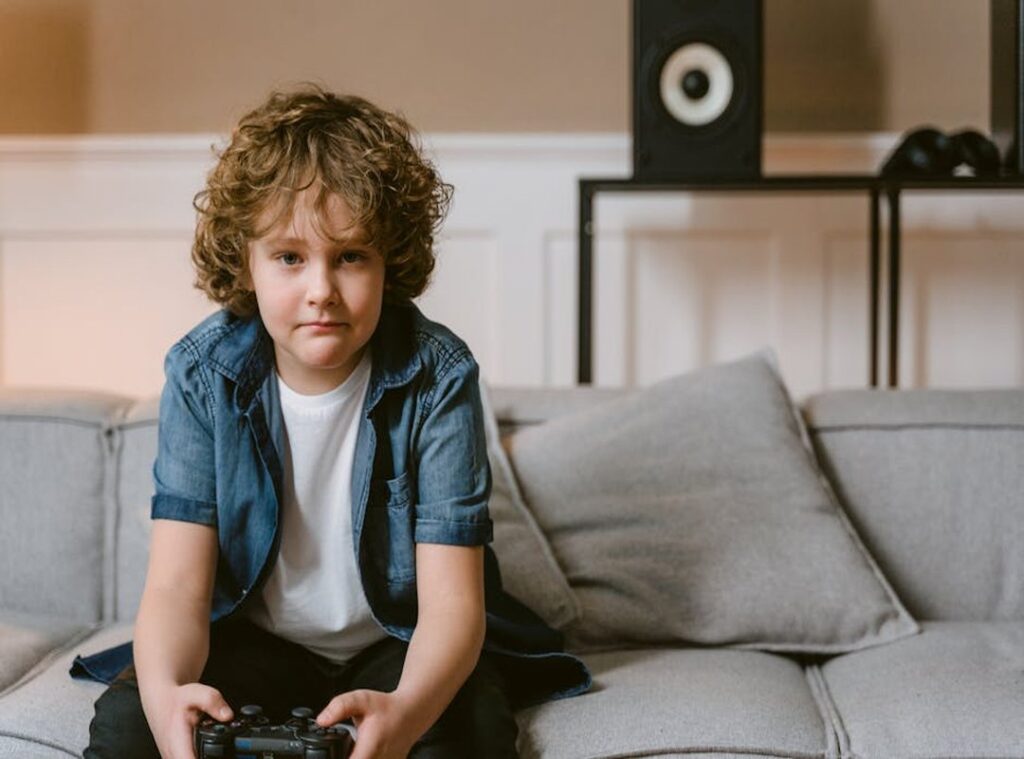
You’ve heard it before. Gamers are lazy. Unfocused.
Wasting their lives.
I call bullshit.
I’ve spent years inside games (not) just playing them, but studying how they shape attention, decision-making, and resilience. Not theory. Real behavior.
Real outcomes.
Why Gaming Is Good for You Thehakegamer isn’t about defending screen time. It’s about naming the skills you’re already building (problem-solving,) adaptability, emotional regulation (and) using them on purpose.
You’re not here for hype. You want proof. You want specifics.
So I’ll show you exactly which games build which skills (backed) by research, not opinion.
No fluff. No guilt. No “balance” lectures.
Just what works. And how to use it.
How Gaming Trains Your Brain. Not Just Your Reflexes
I used to think gaming was just escape. Then I played Factorio for 87 hours straight.
That’s when it hit me: I wasn’t just building belts and inserters. I was mapping feedback loops, spotting bottlenecks before they choked production, and adjusting power grids in real time. That’s Systems Thinking (and) it’s not abstract.
It’s wiring your brain to see cause-and-effect across layers.
You’ve felt it too. When your city in Civilization VI collapses because you over-expanded without securing food or happiness. You didn’t fail at “gaming.” You misread a system.
And next time? You adjust inputs before outputs go sideways.
That’s not theory. A 2021 study in Nature Human Behaviour tracked 1,200 adults over six months. Those who played plan games 5+ hours weekly showed measurable gains in systems reasoning. 23% faster than controls on real-world policy simulation tasks.
Then there’s Portal 2. You test a portal placement. It fails.
You check angles, momentum, timing. Try again. Fail again.
Adjust. Succeed. That’s iterative problem-solving (no) lecture, no textbook.
Just raw trial-and-error with instant feedback.
Same with XCOM 2. Miss a shot? You analyze cover, line-of-sight, enemy reaction range.
Then rebuild your entire turn around that failure.
Fast shooters like Valorant don’t just train aim. They force rapid visual parsing: friend/foe, threat priority, spatial layout. All in under two seconds.
Subnautica does the opposite. It trains sustained focus while navigating alien terrain with limited oxygen. Your brain learns to filter noise and lock onto key cues.
Thehakegamer covers this stuff without hype. No fluff. Just what actually moves the needle.
Why Gaming Is Good for You Thehakegamer isn’t a slogan. It’s a measurable shift in how your brain handles complexity.
You don’t need to play 10 hours a day.
But if you’re ignoring games as mental training tools? You’re skipping one of the most accessible, high-fidelity cognitive gyms out there.
And yes. It counts as work. (Your prefrontal cortex agrees.)
Failure Is Not the Opposite of Learning
I used to rage-quit Elden Ring. Like, full-screen slam-the-controller-down rage.
Then I realized something: every death taught me exactly where the trap was. Where the boss feints. When to dodge.
That’s Productive Failure. Not just failing. Failing on purpose so you can adjust.
You can read more about this in Best Gaming Tricks.
So you can map the edges of what works.
Most articles talk about gaming like it’s a cognitive workout. Fine. But the real magic is emotional.
It trains your nervous system to sit with discomfort without collapsing.
Celeste doesn’t punish you for falling. It rewards you for trying again (right) after you sob into your controller.
You think that doesn’t translate? Try explaining to your boss why you missed a deadline… while staying calm. That’s the same muscle.
Delayed gratification hits hard in The Witcher 3. You spend 40 hours building Geralt’s relationships before the payoff lands. No quick dopamine hit.
Just slow, earned trust.
Same thing happens when you train for a marathon. Or build a side project. You show up when no one’s watching.
Because you’ve done it before (in) a game.
Final Fantasy XIV forces you to log in daily for weeks just to open up one raid. Your brain learns: long goals need long rhythms.
Competitive games? They’re brutal labs for emotional regulation.
Tilt isn’t a joke. It’s your amygdala hijacking your prefrontal cortex. And yes.
I’ve seen players go from screaming at their screen to pausing mid-match, breathing, and coming back sharper. That’s not game skill. That’s life skill.
You can rewire that.
Why Gaming Is Good for You Thehakegamer isn’t hype. It’s observation. It’s what happens when you stop treating games as escape and start treating them as rehearsal.
Want to get better at handling pressure? Start with how you handle losing.
The Best gaming tricks thehakegamer aren’t about button combos. They’re about noticing when you want to quit. And choosing to stay.
Try it this week. Lose on purpose. Then ask: what did that teach me?
The Social Skills You Didn’t Know You Were Practicing

I used to roll my eyes at “gaming builds social skills” talk. Then I led a 40-person raid in Final Fantasy XIV. We had three time zones, two languages, and one boss that reset if anyone missed their cue.
That’s High-Stakes Collaboration. Not pretend teamwork. Real consequences.
You learn fast which teammate needs a reminder. And which one just needs silence.
You call the shot. You assign roles. You adjust mid-fight when the tank stumbles.
No HR training. No manager review. Just trust built on repetition and results.
Sound familiar? It should. That’s how real teams work.
I’ve also watched players go from silent DPS to guild leaders who mediate disputes, plan events, and onboard newcomers. They don’t get a promotion. They earn it (by) showing up, listening, and adapting.
That’s leadership without a title.
And yeah. Some people play Overcooked and scream at each other. But others use it to practice giving clear, calm instructions under stress.
Same game. Different muscle memory.
Narrative games like Disco Elysium force you into conversations where tone matters more than stats. You weigh choices. You live with consequences.
You see how bias shapes dialogue. That’s not escapism. That’s rehearsal.
Online gaming connects you to people in Lagos, Lima, and Leipzig (no) travel required. You learn slang. You notice cultural rhythms in how people give feedback or handle failure.
It’s low-risk exposure to real human variety.
This isn’t about justifying screen time.
It’s about naming what’s already happening.
Why Gaming Is Good for You Thehakegamer isn’t hype. It’s observation. And if you’re still skeptical, read How Online Gaming Has Evolved Thehakegamer (it) tracks exactly how those invisible skills became visible.
Your Next Level Starts Today
Gaming is not filler time. It’s practice. Real practice.
I’ve watched people dismiss it as escape. Until they tried playing with purpose. Then they noticed the focus.
The patience. The way decisions got faster. Cleaner.
That social stigma? It’s outdated. And exhausting.
You don’t need permission to get better at life. Even if the tool happens to be a controller.
So here’s your move: pick one game from a genre we talked about. Play it for seven days. Not mindlessly.
Not for high scores alone. Ask yourself daily: What skill am I sharpening right now?
Why Gaming Is Good for You Thehakegamer isn’t theory.
It’s what happens when you stop watching life happen. And start training for it.
You already know which skill you’re short on. Confidence. Plan.
Calm under pressure. Adaptability. The game won’t fix it for you.
But it will give you reps.
Most people wait for motivation.
You’re done waiting.
Go play that game. Track one skill. Come back in a week and tell me what changed.
Your next big win isn’t locked behind a boss fight.
It’s waiting in the next session.