I remember that screech.
That awful, hopeful, dial-up handshake sound. Like a robot coughing up its own soul.
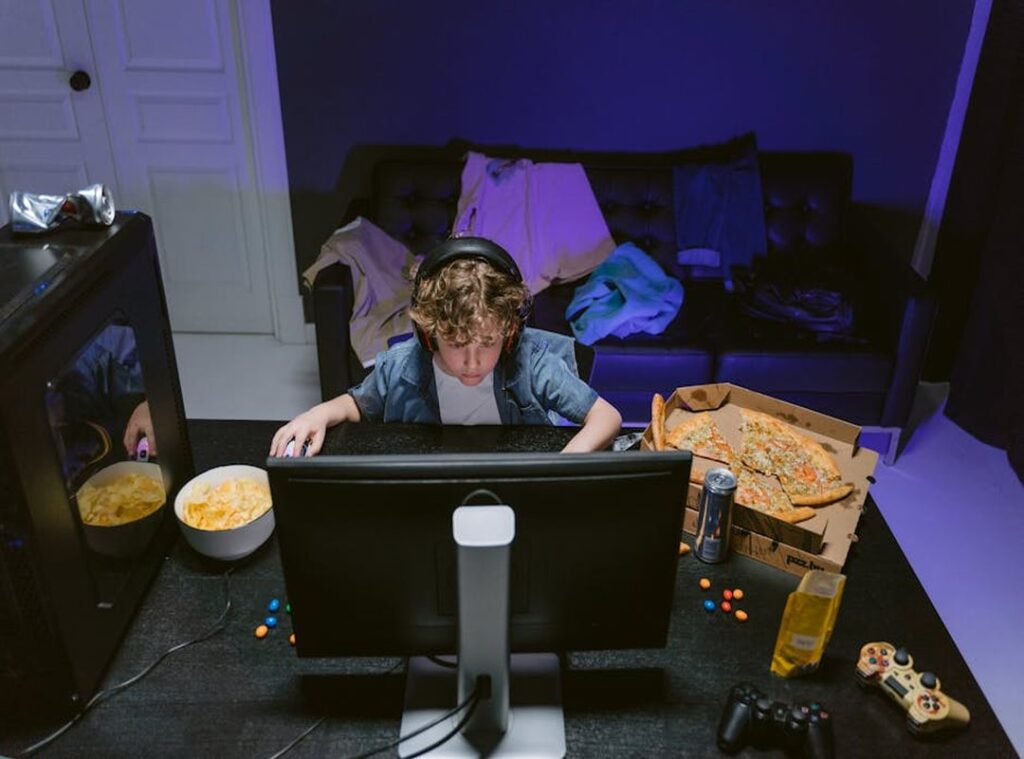
You heard it and knew something was about to happen. Even if it was just Doom over a LAN party with three friends and one pizza box.
How Online Gaming Has Evolved Thehakegamer isn’t another dry timeline.
I’ve played every version of this story. From 56k modems to cloud streaming. From IRC lobbies to Twitch streams with millions watching.
I didn’t just watch it happen. I lived it. Badly, loudly, and often on terrible hardware.
This isn’t nostalgia bait. It’s why things changed. Not just when.
Why lag mattered more than graphics. Why voice chat killed text. Why a game could go from basement to billion-dollar franchise in five years.
You’ll get the real reasons. Not the press release version.
And you’ll understand what comes next.
Dial-Up Danger: When Logging In Felt Like Breaking Into Fort Knox
I remember waiting for that screech.
That awful, glorious handshake noise when my modem finally grabbed the line.
MUDs weren’t games. They were shared imagination engines (text-only,) slow, and utterly alive. You typed “go north” and held your breath.
Someone else was typing too. Somewhere. Real time.
No map. No tutorial. Just trust and typo-riddled commands.
And yeah (you) had to disconnect the phone. Your mom yelled. Your sister missed her call.
That connection cost real money and real patience. (Which is why we savored every second.)
Ultima Online didn’t just add graphics. It added consequence. A player could steal your sword and keep it.
EverQuest made death mean something (not) a respawn, but a corpse run. A real walk back. Through actual danger.
That’s gone now. Today’s MMOs are polished. Safe.
Predictable.
You ever wonder why no one talks about “the feeling” anymore? Not the lore or the raids (the) feeling of stepping into something uncharted, where the server might crash and you’d lose everything?
Thehakegamer still writes about that raw edge (how) online gaming has evolved Thehakegamer from a dial-up kid into someone who still misses the risk.
We traded stability for soul.
And I’m not sure it was worth it.
The Broadband Boom: WoW Didn’t Just Ride the Wave (It) Built
I remember dial-up. That screech. The 90-second load for a single forum page.
You knew when someone picked up the phone. Your connection died.
Then broadband hit. Not just faster. Always-on. That changed everything.
World of Warcraft launched in 2004. Not first. Not most technical.
But it was the one that stuck. Why? It worked on mid-tier PCs.
It had voice chat built-in (no third-party mess). And it treated players like humans, not avatars.
You didn’t need to know Lua to join a guild. You didn’t need a PhD to understand raid mechanics. You just showed up.
Said hi. Got assigned a role. Felt useful.
Forty-man raids weren’t about gear scores. They were about showing up at 8 p.m. EST every Tuesday.
About learning who panicked during the Flame Wreath phase. About the guy who always forgot his flasks. And the group that covered for him.
Guilds became real-world social infrastructure. People met spouses. Planned weddings.
Grieved together. All inside Azeroth.
Compare that to Guild Wars (brilliant) design, but instanced zones killed persistent world feel. Or RuneScape (massive) player base, but no real-time coordination at scale. No shared heartbeat.
WoW made collaboration obvious. Not optional. Not buried in menus.
Front and center.
That shift. From solo grinding to synchronized group effort (is) why online gaming stopped being a niche hobby and started acting like a cultural layer.
How Online Gaming Has Evolved Thehakegamer isn’t just about better graphics or faster servers. It’s about trust. Shared rhythm.
Knowing your healer will be there (not) because they have to, but because they want to.
You can read more about this in Why Gaming Is Good for You Thehakegamer.
(Pro tip: If you’re trying to build community in any digital space today, study how WoW handled the first 30 seconds after a wipe.)
It wasn’t magic. It was design discipline. And timing.
The Living Room Invasion: Xbox Live Changed Everything

I remember plugging in my original Xbox. Felt heavy. Warm.
Smelled like plastic and dust.
No one expected online play. Not really.
Consoles were living room furniture (not) computers. You turned them on, popped in a disc, and played alone or with someone next to you.
Then Halo 2 dropped in 2004.
I logged in the first night. Heard a stranger’s voice crackle through my headset. “You’re on fire, man.” That startled me. (I almost dropped my controller.)
Xbox Live wasn’t just “online” (it) was integrated voice chat, a real friends list, and matchmaking that just worked. No ports to open. No IP addresses to type.
Just press “party” and go.
That’s what made it stick. It didn’t ask you to be technical. It asked you to show up.
PlayStation Network came later. And yes, it pushed things forward. But Xbox Live set the bar.
It proved console multiplayer could be social, reliable, and human.
It also proved people would pay for it. $49.99 a year felt steep then. Now? It’s table stakes.
How Online Gaming Has Evolved Thehakegamer isn’t just about tech. It’s about how we connect. And sometimes, that connection starts with hearing someone laugh after you pull off a ridiculous grenade jump.
If you’re wondering whether gaming still has value beyond fun. Why Gaming Is Good for You Thehakegamer covers that better than I ever could.
But don’t skip the sound of that first voice chat ping. That was the moment the living room stopped being quiet.
The Spectacle Is Real: Esports, Streams, and Live Games
I watched my first League of Legends Worlds final in a basement with three friends and lukewarm pizza. We weren’t playing. We were watching.
And it felt like watching the NBA. Except with headshots and dragon kills.
That was 2015. Now esports fills stadiums. CS:GO majors sell out Madison Square Garden.
It’s not niche anymore. It’s professional. It’s televised.
It’s real.
Twitch didn’t just host streams. It turned players into performers. I started streaming in 2018.
Within six months, I knew more about lighting setups than game mechanics. (Turns out, good audio matters more than your K/D ratio.)
YouTube Gaming followed. Not as raw, but broader reach. You don’t need 10,000 followers to go viral.
Just one clip that hits right.
Then came Games as a Service. Fortnite dropped in 2017 and never left. No “final boss.” Just seasons, battle passes, and live events that broke the internet.
Apex Legends did the same (no) single-player campaign, just constant updates, new characters, and meta shifts every few weeks.
This isn’t accidental. Esports feeds streamers. Streamers hype seasonal drops.
Seasonal drops fuel esports rosters and viewer counts. It’s a loop. A loud, chaotic, profitable loop.
Does it work? Yeah. But it also exhausts players.
I unsubscribed from two battle passes last year. Felt like paying rent to stay relevant.
How Online Gaming Has Evolved Thehakegamer is obvious if you’ve logged in since 2016. It’s less about finishing games and more about staying in the feed.
If you want real-time takes on what’s actually shifting (not) just what’s trending (check) out Thehakegamer Best Gaming.
What’s Next on the Digital Frontier?
I watched text-based MUDs turn into packed esports arenas. It wasn’t about better graphics. It was about you finding your people.
How Online Gaming Has Evolved Thehakegamer. That’s not just tech stacking up. It’s you logging in, again and again, because someone’s waiting.
Cloud gaming? VR? Metaverse hype?
Sure. But what actually gets your pulse up?
You know what I want to hear. Your favorite moment. The one where you yelled at a screen, high-fived a stranger, or stayed up way too late just to finish that raid.
Drop it in the comments. Right now. That memory matters.
And it belongs here.