
Gaming is evolving at a pace that’s hard to keep up with. From rapid multiplayer innovation to smarter AI-driven mechanics, players are constantly navigating new systems, genres, and competitive standards. If you’re searching for clarity on what’s changing, what matters, and how to stay ahead, this article is built for you.
We break down the most important upcoming gaming trends, decode what they mean for everyday players, and explain how they’re reshaping competitive and cooperative experiences alike. Whether you’re looking to optimize performance, understand shifting multiplayer metas, or refine your digital strategy, you’ll find practical, actionable insights here.
Our analysis is grounded in ongoing gameplay testing, community pattern tracking, and deep dives into evolving mechanics across major titles. Instead of hype, we focus on what’s actually influencing player performance and long-term engagement—so you can adapt faster, play smarter, and stay competitive in a constantly shifting gaming landscape.
The Digital Playground’s Next Evolution
Gaming has transformed from a basement-bound pastime into a cultural and technological powerhouse. Yet the speed of change can feel dizzying; separating hype from lasting innovation is harder than beating a final boss on nightmare mode. So let’s break it down. This guide cuts through the noise around upcoming gaming trends and shows what truly shapes gameplay, digital strategy, and multiplayer experiences. In turn, you gain clarity, smarter upgrade decisions, sharper competitive edges, and stronger community connections. More importantly, you’ll see where to invest your time and skills for maximum impact. The future rewards preparation.
The ‘Game as a Service’ (GaaS) Maturity
The live service model—better known as Game as a Service (GaaS)—is no longer experimental. It’s the default blueprint for major releases. Instead of shipping a finished product and moving on, studios now deliver ongoing content through seasonal passes (time-limited reward tracks players unlock through play), live events, and steady balance updates. Think Fortnite or Destiny 2: the game you download in January won’t look the same in July (and that’s the point).
Some critics argue this model encourages unfinished launches. Fair. But when executed well, GaaS builds vibrant communities and long-term value. Recommendation: Choose titles with transparent roadmaps and active developer communication. A healthy update cadence signals commitment—not just monetization.
Seamless Worlds: Cross-Play and Cross-Progression
Cross-play allows gamers on different platforms to play together. Cross-progression lets them carry progress across devices. What was once a bonus feature is now an expectation. Players want freedom—start on console, continue on PC, finish on handheld (because life happens).
Skeptics say platform ecosystems lose exclusivity advantages. True—but larger shared player pools create faster matchmaking, stronger competitive scenes, and more resilient communities. It’s the difference between a crowded festival and an empty theater.
Recommendation: Prioritize multiplayer games that support both features. They extend a game’s lifespan and protect your progress if you switch hardware. In a landscape shaped by upcoming gaming trends, flexibility wins.
The Subscription Revolution
Services like Xbox Game Pass and PlayStation Plus operate on the “Netflix model” for gaming: one monthly fee, rotating catalog, instant access. For players, this means lower upfront risk and greater discovery. You’re more likely to try an indie title you’d normally skip (and sometimes find your next obsession).
Opponents argue subscriptions may reduce perceived value of individual titles. That concern isn’t baseless. Yet data from Microsoft shows Game Pass members play 40% more games and spend 50% more overall, including on full purchases (Microsoft, 2022).
Recommendation: Use subscriptions strategically. Explore broadly, then buy the games you truly love—especially those you want permanent access to.
Generative AI as a Creative Partner
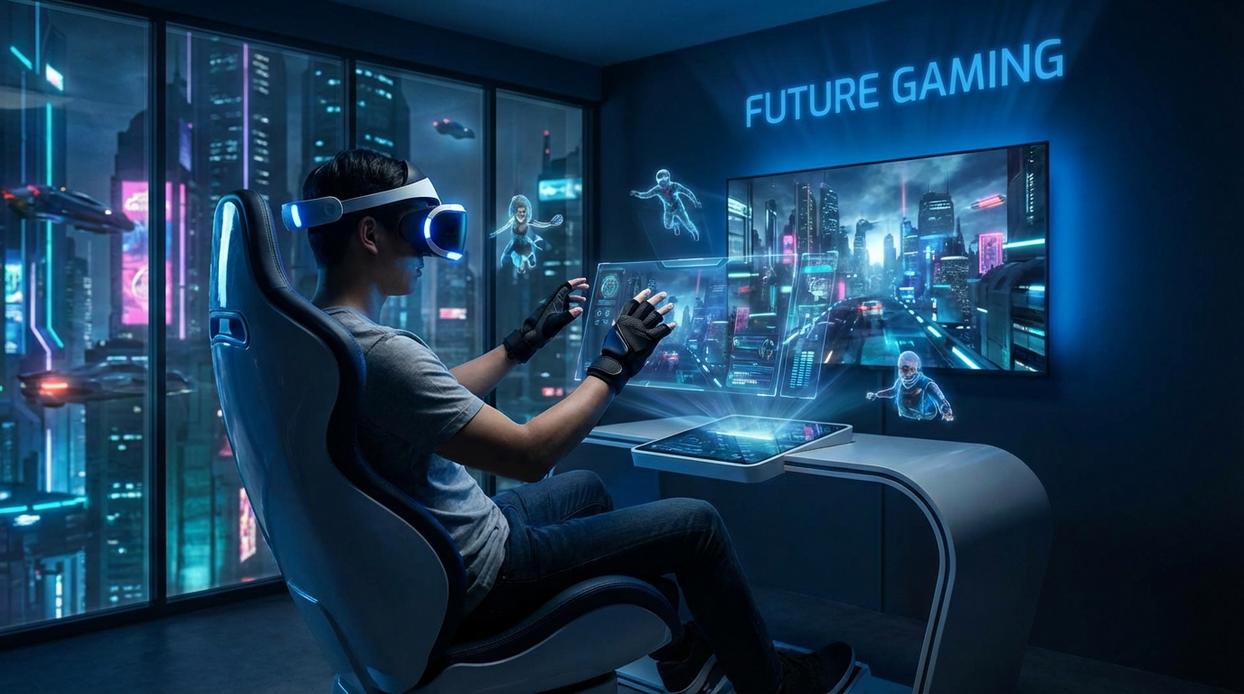
The first time I walked into an AI-driven game demo, I tried to break it. I spoke to every non-playable character (NPCs—digital characters controlled by the game) in strange, off-script ways, expecting the usual robotic loops. Instead, one guard got defensive, another cracked a joke, and a merchant adjusted prices after I haggled badly. It felt less like code and more like improv night.
That’s the real promise of generative AI: not just producing art assets faster, but building responsive worlds. Procedural content (game elements generated algorithmically rather than handcrafted one by one) can now feel intentional instead of random. Think landscapes that subtly reflect your playstyle or quests that adapt to your moral choices.
Skeptics argue this is just cost-cutting dressed as innovation. And yes, studios will save time. But immersion deepens when dialogue isn’t painfully repetitive (we’ve all met the “arrow to the knee” archetype). Research from NVIDIA highlights how AI-driven NPCs can process player input dynamically, creating more believable interactions (NVIDIA ACE, 2023).
Pro tip: Designers who treat AI as a collaborator—not a replacement—tend to create richer systems. The magic happens in the blend.
The Creator Economy: UGC 2.0
I still remember building a clunky multiplayer map in a basic editor years ago. It barely worked, but seeing friends explore something I made was electric. That spark now fuels entire ecosystems.
User-Generated Content (UGC—content created by players rather than developers) has evolved from novelty tools into full-fledged platforms. Roblox and Fortnite Creative don’t just allow mods; they empower players to build economies, monetize experiences, and shape cultural moments. According to Roblox’s 2023 reports, millions of creators earn real income through player-built worlds.
Some critics worry this shifts too much labor onto players. Fair point. Yet the flip side is longevity. Games driven by creators often outlast traditional releases because content never truly runs dry.
If you’re tracking upcoming gaming trends, this shift from consumption to co-creation may be the most transformative. It’s not just playing the game—it’s owning a piece of it.
For developers studying growth strategies, see from beta to breakout how new games capture attention fast.
Cloud Gaming’s Quiet Ascent
Cloud gaming streams titles from remote servers instead of relying on local hardware. It’s not the console apocalypse some predicted. Instead, it’s an accessibility bridge.
By removing hardware barriers, players on aging laptops or mobile devices can access high-fidelity worlds. Services like Xbox Cloud Gaming demonstrate how streaming expands reach without demanding $500 upfront (Microsoft, 2023). Sometimes the biggest revolutions aren’t loud—they’re simply inclusive.
Evolving Strategies: The Shifting Business of Play
Data-Driven Development
I remember rage-quitting a multiplayer shooter years ago because one weapon felt absurdly overpowered (you know the type). Two weeks later, a patch fixed it. That was my first real glimpse into data-driven development—the practice of using player behavior metrics, heatmaps, and engagement analytics to refine a game in real time. Developers now rely on a tight feedback loop where player actions inform:
- Gameplay balance tweaks
- Reward pacing adjustments
- Future content updates
It’s less guesswork, more evidence-based iteration (think Moneyball, but with boss fights).
The Power of Transmedia IP
When The Last of Us became a hit HBO series and Arcane stunned Netflix audiences, it proved that games are no longer isolated products—they’re intellectual property ecosystems. Transmedia IP refers to expanding a single franchise across games, television, film, and even novels to create an interconnected universe.
From personal experience, friends who never touched a controller became fans through these adaptations. Some critics argue this risks oversaturation. Fair. But when done thoughtfully, it strengthens loyalty, attracts new audiences, and amplifies upcoming gaming trends without fragmenting the core experience.
Interactive entertainment is no longer a boxed product; instead, it’s a living ecosystem. As cloud infrastructure and AI lower technical barriers, and as UGC (user-generated content) and GaaS (games-as-a-service) models reward long-term participation, power shifts to players. While critics argue live models dilute artistry, data shows communities drive retention and revenue. So what’s next? upcoming gaming trends point toward adaptive worlds that evolve with their audiences, empowering creators and redefining play. The future rewards flexibility.
Level Up What Comes Next
You came here to understand where the industry is heading and how to stay competitive in a rapidly shifting landscape. Now you have a clearer view of the upcoming gaming trends shaping multiplayer experiences, digital strategy, and performance optimization.
The reality is simple: games are evolving faster than most players can adapt. New mechanics, smarter matchmaking systems, cross-platform ecosystems, and performance demands can leave you behind if you’re not prepared. Falling out of sync with these changes means missed wins, slower progression, and frustration in competitive play.
But when you stay informed and apply the right strategies, you gain the edge. You optimize smarter. You adapt faster. You play ahead of the curve instead of chasing it.
Now it’s your move.
Stay plugged into the latest upcoming gaming trends, refine your setup, and apply proven optimization tactics to your gameplay. Join thousands of competitive players who rely on expert breakdowns and strategy insights to stay ahead. Dive deeper, sharpen your skills, and start dominating your next match today.